
Optimal Timing for Tree Removals
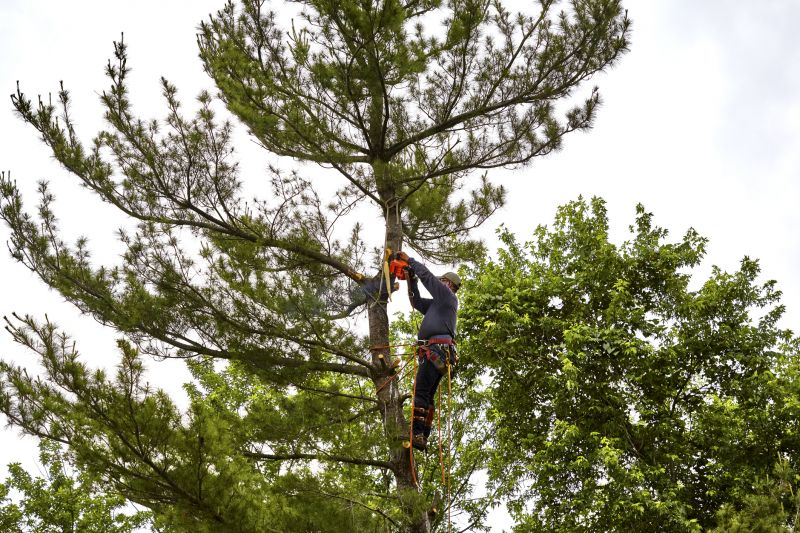
Spring offers moderate weather conditions, making it suitable for tree removal projects. Trees are generally healthy, reducing risks during removal.
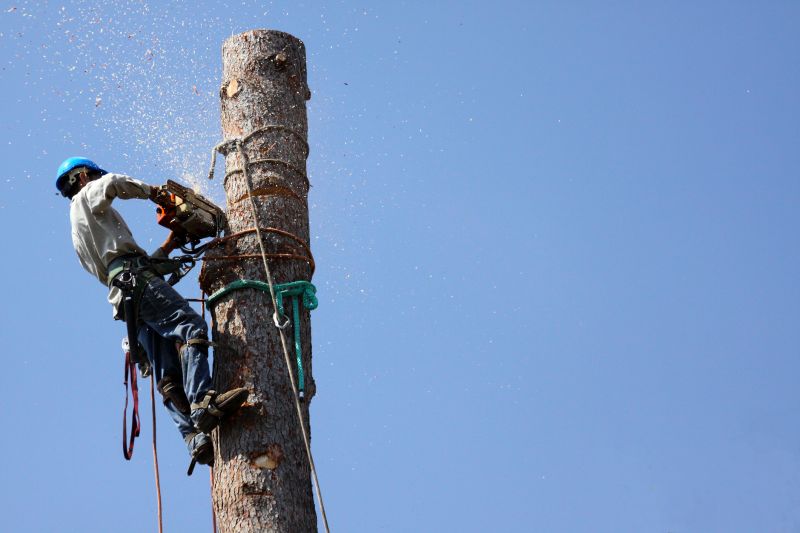
Summer's warmer temperatures can accelerate drying of wood, but high heat and dry conditions may pose challenges for safe removal.
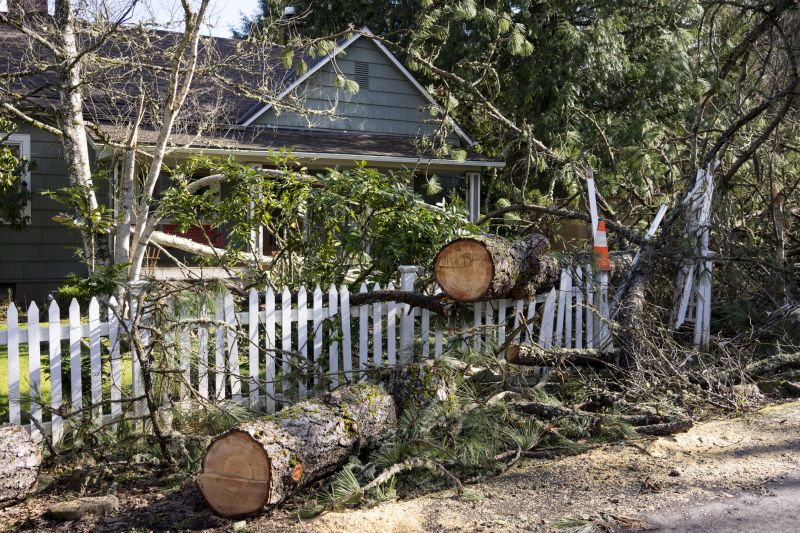
Fall provides cooler weather and less wind, which can facilitate safer tree removal. Trees often enter dormancy, reducing stress during removal.
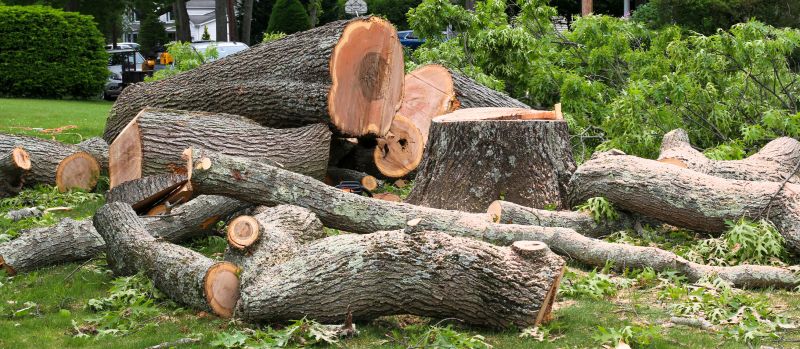
Ways to make Tree Removals work in tight or awkward layouts.
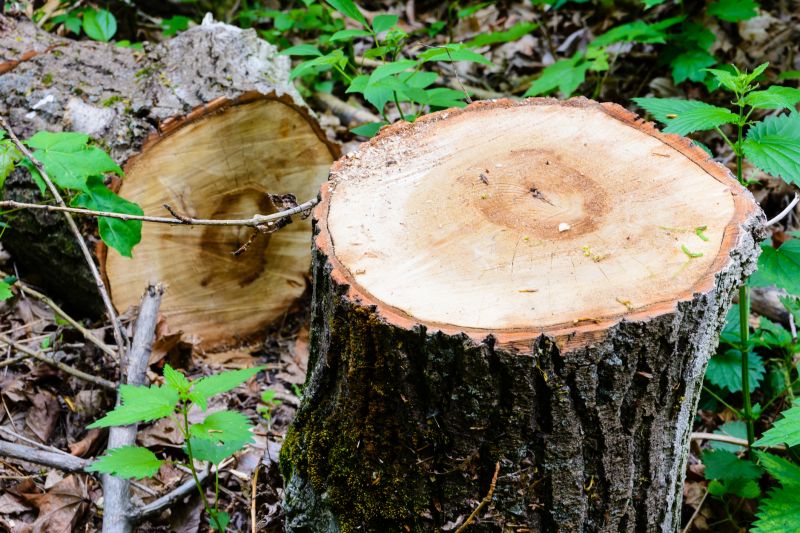
Popular materials for Tree Removals and why they hold up over time.
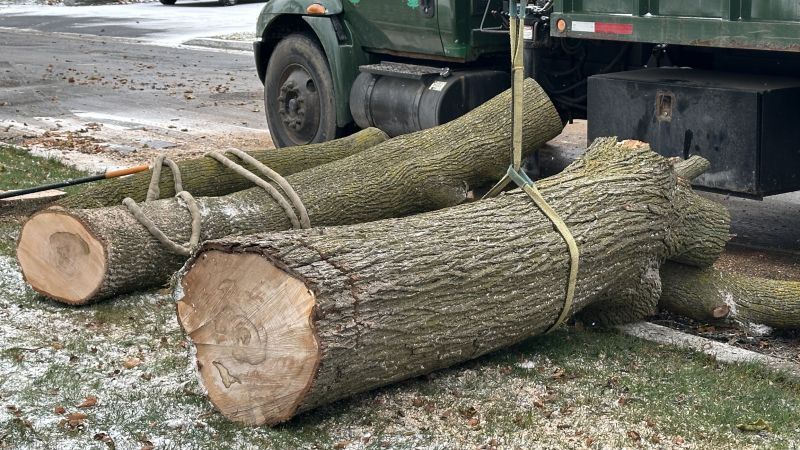
Simple add-ons that improve Tree Removals without blowing the budget.
Tree removals are often scheduled based on seasonal conditions to ensure safety and efficiency. The timing can influence the health of remaining landscape and the ease of removal. Proper planning considers weather patterns, tree health, and potential hazards.
Statistics indicate that most tree removals occur during the late fall and winter months when trees are dormant. This period reduces the risk of disease spread and minimizes impact on surrounding vegetation. Additionally, cooler temperatures can improve working conditions for crews.
Choosing the right season can reduce the risk of disease transmission and improve safety during tree removal.
Avoiding high winds, heavy rain, or extreme heat can prevent accidents and ensure a smoother removal process.
Dry, stable ground conditions in fall and winter support the use of heavy machinery needed for tree removal.
Timing tree removals during favorable weather enhances safety and reduces project duration.
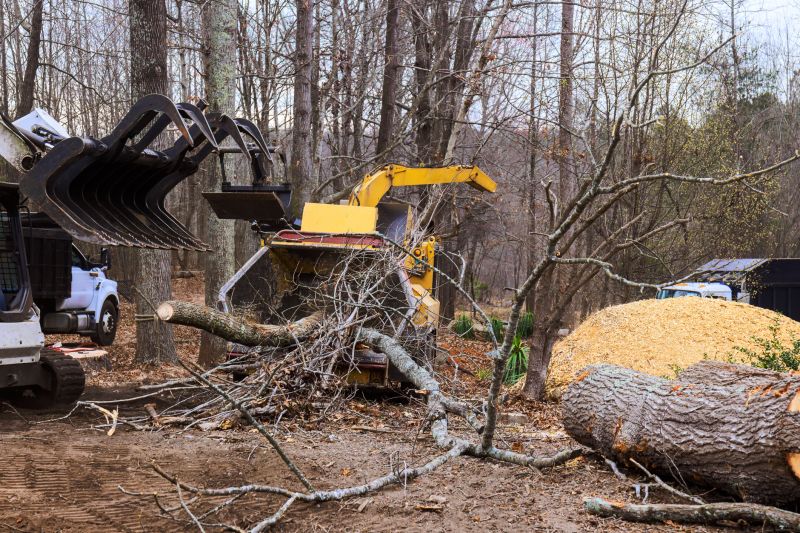
Specialized machinery used for safe and efficient tree removal.
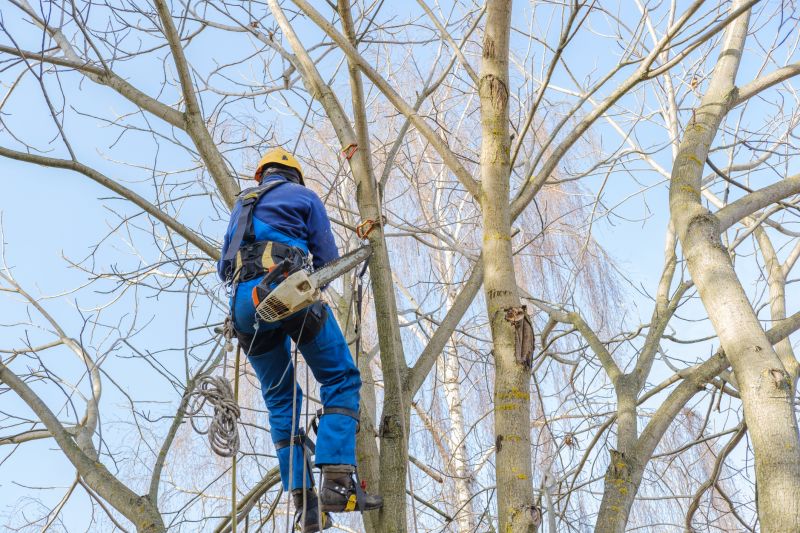
Workers safely removing trees during optimal seasonal conditions.
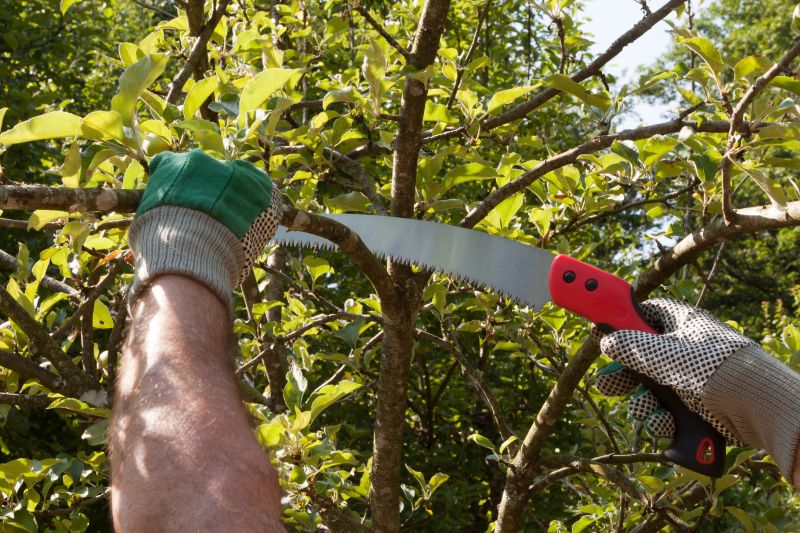
Healthy trees in dormancy are easier to remove with less risk of disease spread.
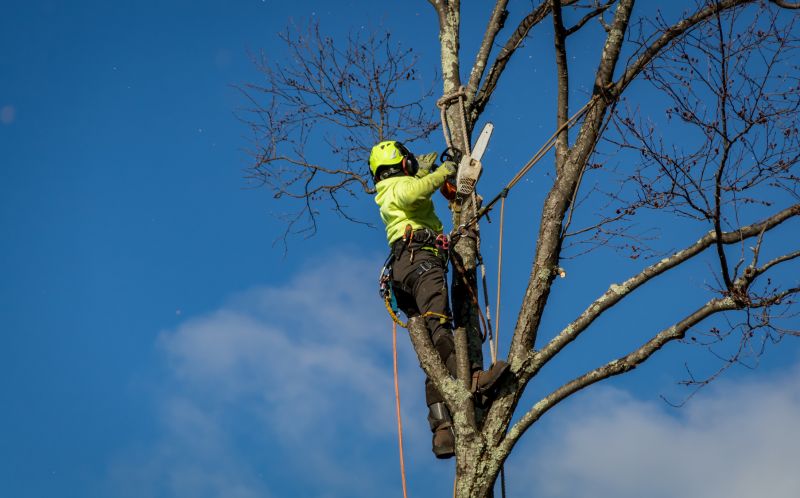
Clear, dry days are ideal for tree removal projects.
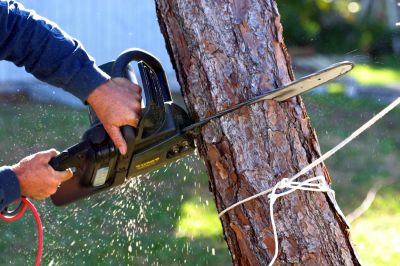
Step-by-step removal process conducted during suitable weather conditions.
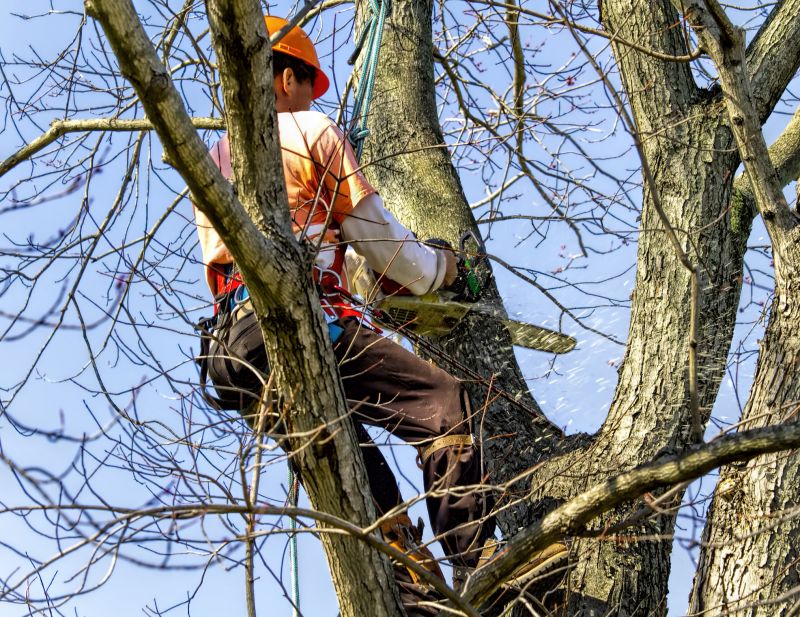
Protective equipment worn by crews during tree removal.
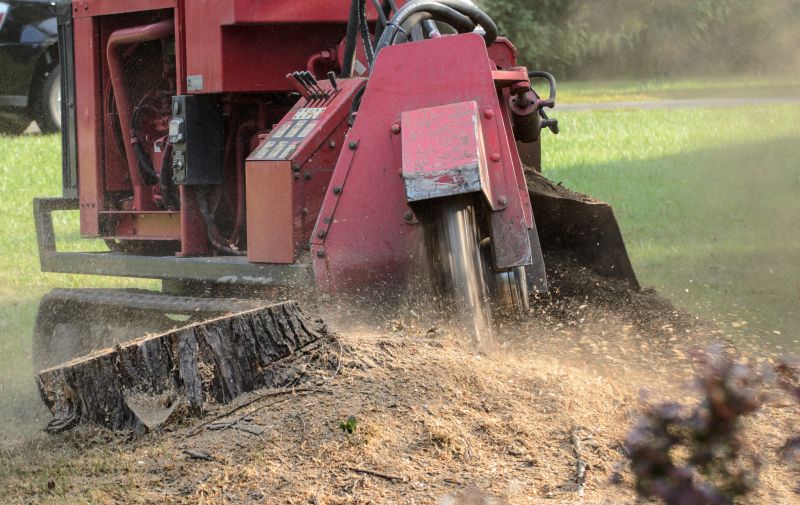
Tools used to remove remaining stumps after tree felling.
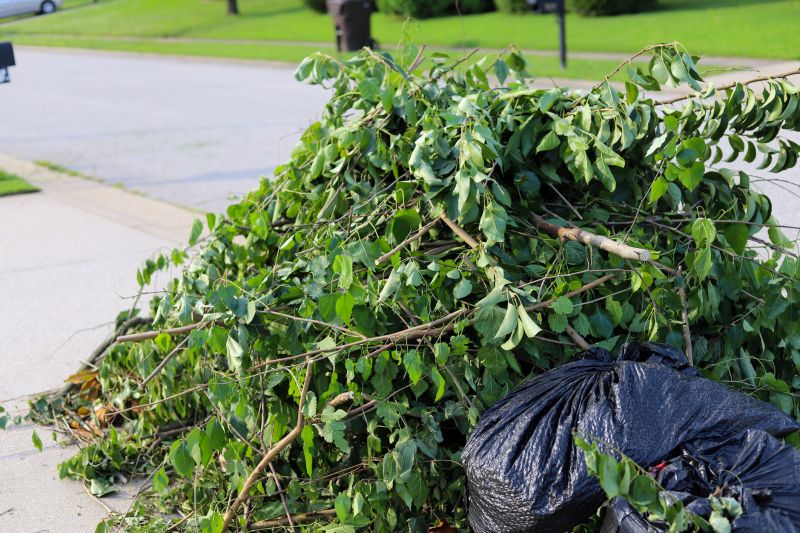
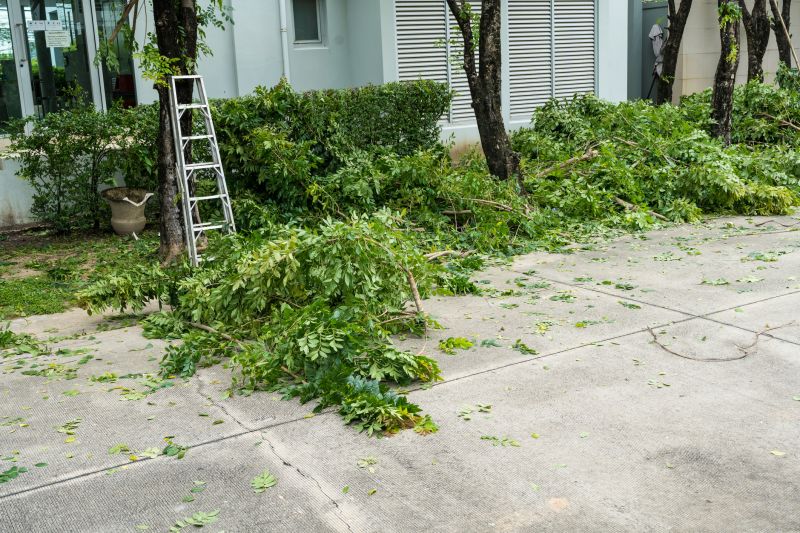
Cleaned-up yard following tree removal in optimal seasons.
| Season | Best for Tree Removals |
|---|---|
| Spring | Moderate weather, healthy trees, good for planning |
| Summer | Warmer, dry conditions; may pose challenges |
| Fall | Cooler weather, trees in dormancy, optimal for safety |
| Winter | Dormant trees, ideal for minimizing disease spread |
| Late Fall | Less wind, good ground conditions for equipment |
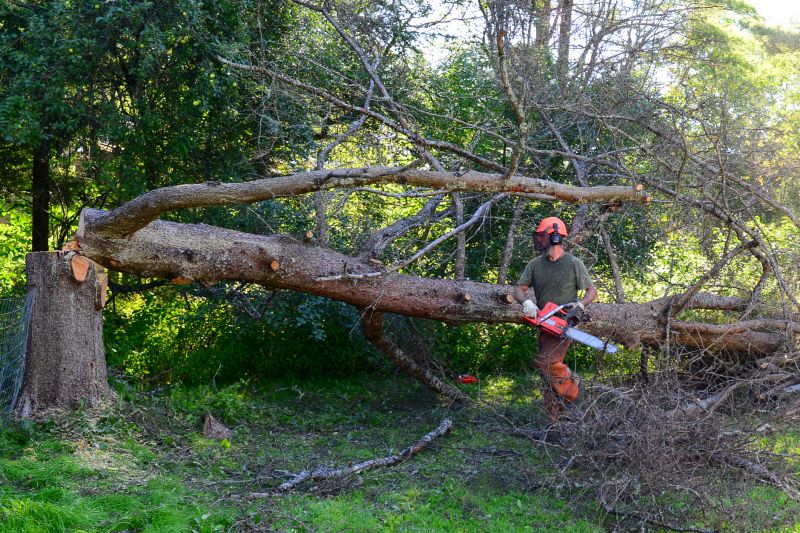
Utilizing dormant season for safer and more efficient removal.
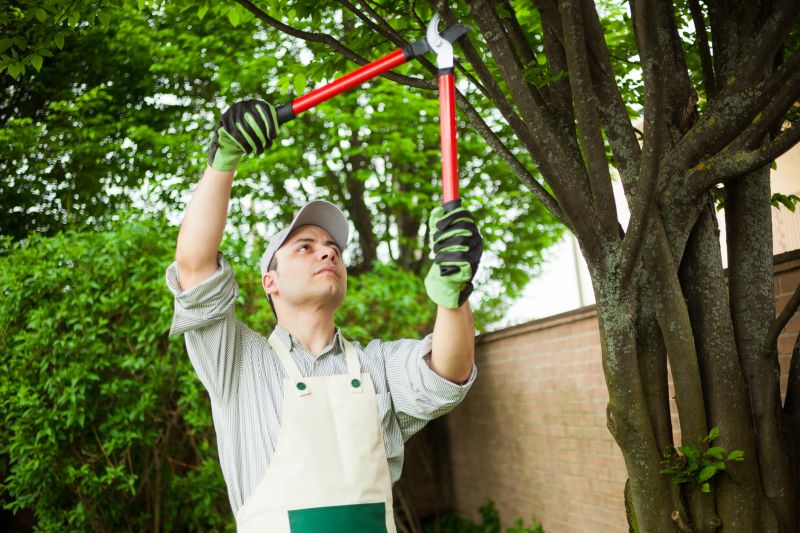
Spring offers favorable conditions for certain removal projects.
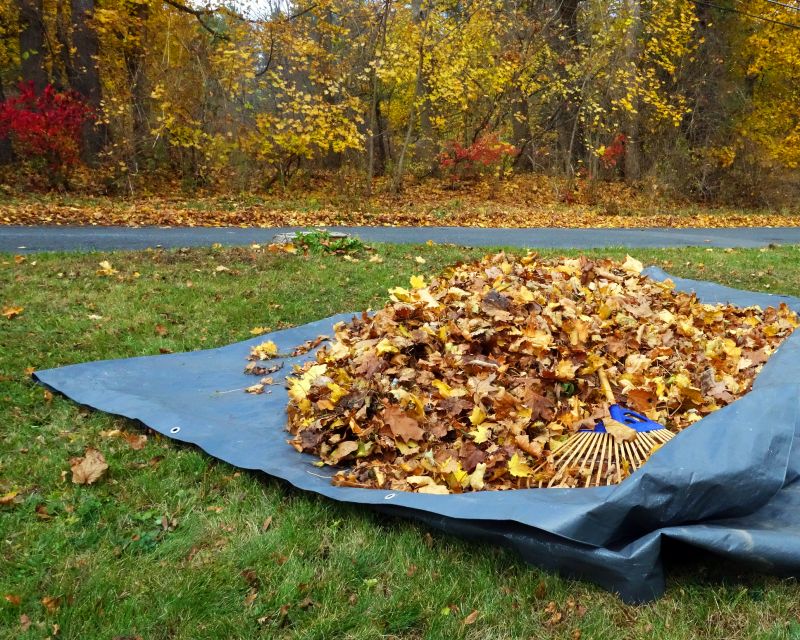
Fall is ideal for minimizing stress on remaining trees.
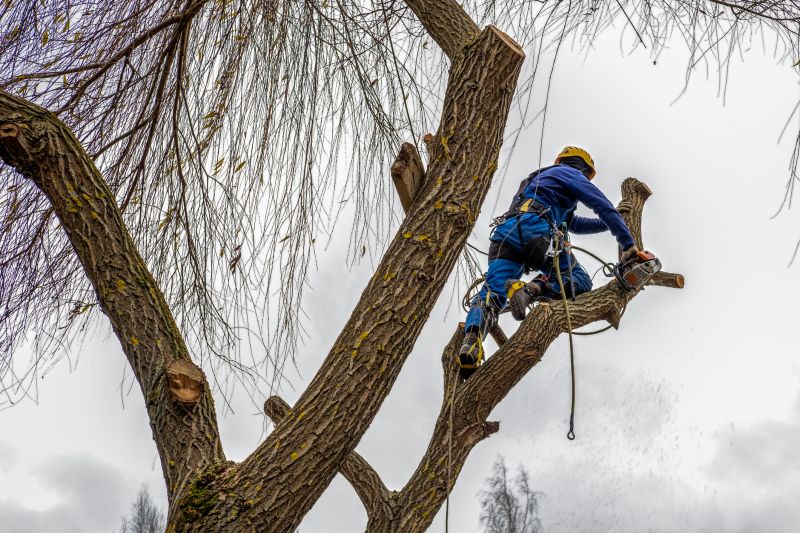
Summer requires careful planning due to weather challenges.
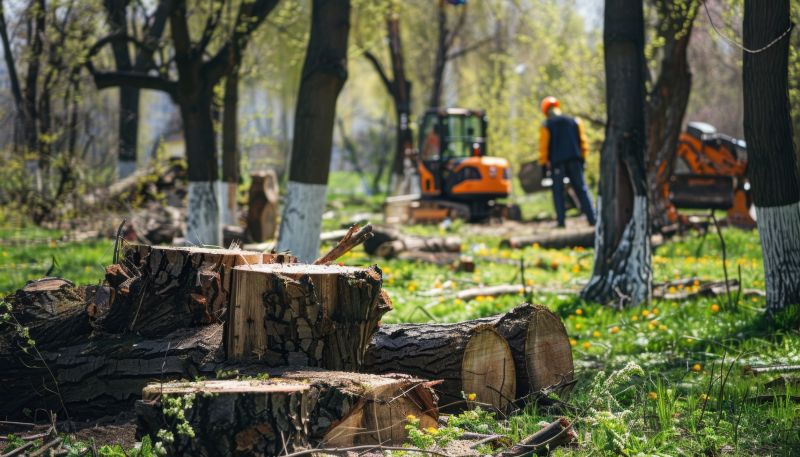
High-end options that actually feel worth it for Tree Removals.
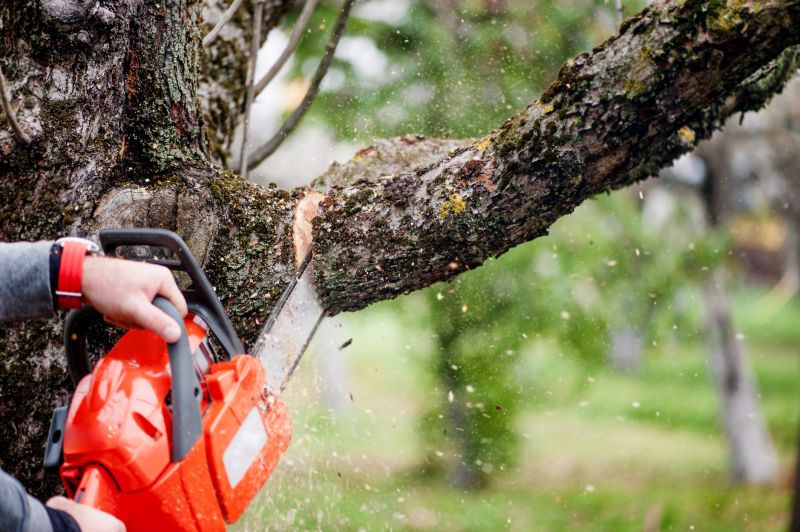
Finishes and colors that play nicely with Tree Removals.

Little measurements that prevent headaches on Tree Removals day.
A 60-second routine that keeps Tree Removals looking new.
Interested in scheduling a tree removal? Filling out the contact form provides an opportunity to discuss timing options suited to specific landscape conditions and project goals.